
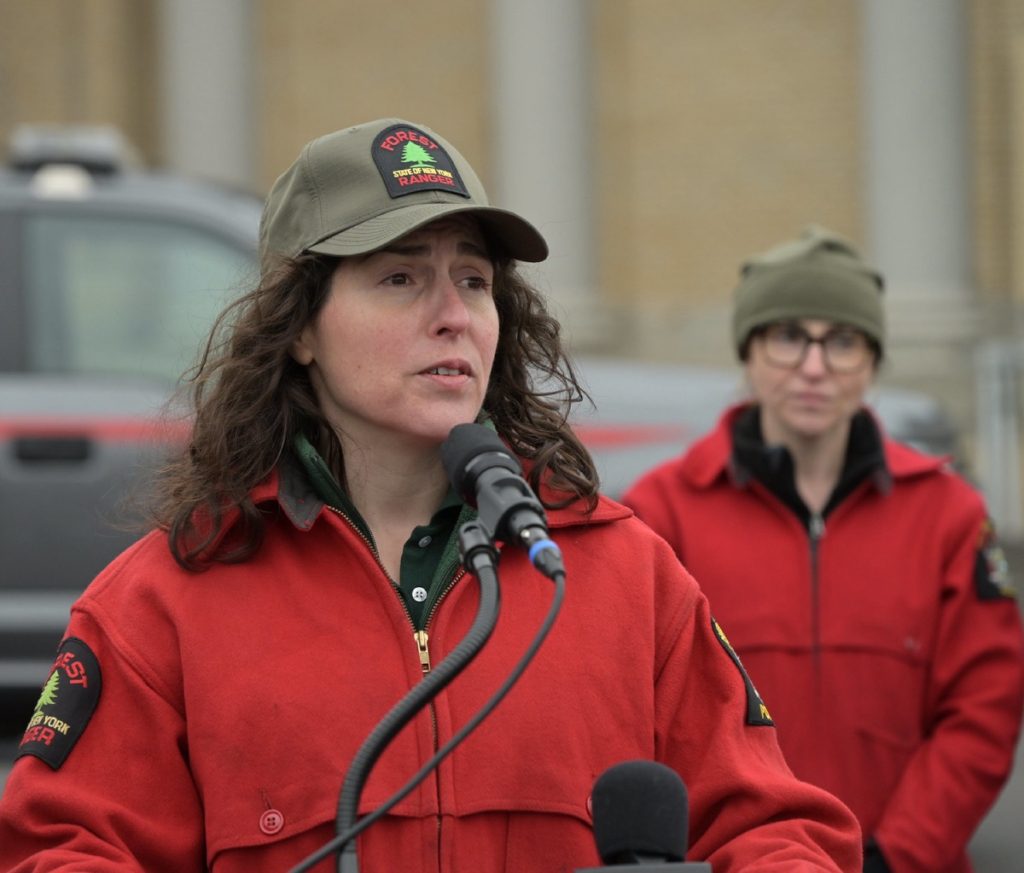
2026 NYS Spring Burn Ban March 16 through May 14th
Spring Burn Ban Reduces Wildfire Risks, Protects Lives and Property
Warmer weather and longer days means it’s a great time to get outside. Now that we’re into the second week of April, New Yorkers are nearly halfway through the annual Spring Burn Ban period that continues through May 14.
Annual Spring Burn Ban Reduces Wildfire Risks, Protects Lives and Property
New York State Department of Environmental Conservation (DEC) Commissioner Amanda Lefton today announced that the annual statewide ban prohibiting residential brush burning begins March 16 and runs through May 14. Since 2009, DEC enforces the annual brush burning ban to prevent wildfires and protect communities and first responders during heightened conditions for wildfires.
“Many of us are looking forward to spring weather after a very cold winter, but with the warming temperatures comes increased fire risk,” Commissioner Lefton said. “That’s why we’re once again asking all New Yorkers to abide by the two-month-long burn ban. The more careful you are with fire, the better we can protect our communities and natural resources as well as our Forest Rangers and firefighters across the state.”
Even though some areas of the state are damp or remain blanketed in snow, warming temperatures can quickly cause wildfire conditions to arise.
Open burning of debris is the single-largest cause of spring wildfires in New York State. When temperatures warm and the past fall’s debris and leaves dry out, wildfires can start and spread easily, further fueled by winds and a lack of green vegetation.
Each year, DEC Forest Rangers extinguish dozens of wildfires that burn hundreds of acres. In addition, local fire departments, many of which are staffed by volunteers, all too often must leave their jobs and families to respond to wildfires caused by illegal debris fires. DEC continually updates a Fire Danger Map on DEC’s website as a resource to view local conditions.
New York first enacted strict restrictions on open burning in 2009 to help prevent wildfires and reduce air pollution. The regulations allow residential brush fires in towns with fewer than 20,000 residents during most of the year but prohibit such burning in spring when most wildfires occur. Backyard fire pits and campfires less than 3 feet in height and 4 feet in length, width, or diameter are allowed, as are small cooking fires. Only charcoal or dry, clean, untreated, or unpainted wood can be burned. People should never leave these fires unattended and must extinguish them. Burning garbage or leaves is prohibited year-round in New York State.
What is Prohibited?
- Burning refuse, trash, tires, and other solid wastes. This includes burning trash or other solid wastes in a burn barrel or similar device.
- Burning loose leaves or leaf piles.
- Burning pressure or chemically treated wood, painted or stained wood, or composite wood such as plywood and particle board. Firewood that has been heat treated or kiln dried is allowed to be burned.
- The practice of burning large piles of brush collected from local residents at town or county transfer sites. The individual landowners in small towns may burn their brush on-site, as discussed above. Downed limbs and branches generated at a transfer site are also allowed to be burned on-site with the same restrictions.
What Can I Burn?
- Campfires, small cooking fires, or any other outdoor fire less than 3 feet in height and 4 feet in length, width, or diameter. Information on building a safe campfire can be found below. All fires must consist of only charcoal or dry, clean, untreated, and unpainted wood.
Safety First
- Check the fire danger map first to make sure it’s safe to have a fire where you are.
- Avoid burning on windy days.
- Keep your campfire less than 3 feet high and less than 4 feet wide.
- Keep flammable objects and debris at least 3 feet away from the fire.
- Keep a fire extinguisher and tools to quickly put out a fire nearby.
Open burning of debris is the single-largest cause of spring wildfires in New York State.
When temperatures warm and the past fall’s debris and leaves dry out, wildfires can start and spread easily, further fueled by winds and a lack of green vegetation. Each year, DEC Forest Rangers extinguish dozens of wildfires that burn hundreds of acres. In addition, local fire departments, many of which are staffed by volunteers, all too often have to leave their jobs and families to respond to wildfires caused by illegal debris fires. DEC posts the Fire Danger Map for the 2024 fire season on DEC’s website once there is a moderate risk anywhere in New York.
Some towns, primarily in and around the Adirondack and Catskill parks, are designated “fire towns.”
Open burning is prohibited year-round in these municipalities unless an individual or group has a permit from DEC. To find out whether a municipality is a designated fire town or to obtain a permit, contact the appropriate DEC regional office. A list of regional offices is available on DEC’s website.
MVT Updates
 Image by Schoharie CrossingEagle and Chuck Trail Program at Schoharie CrossingMarch 19, 2026 - 12:57 pm
- Image by Herkimer CollegeHerkimer College Announces Spring Career FairMarch 19, 2026 - 7:07 am
- Erie Canal in the Mohawk Valley Mini Symposium at the Arkell MuseumMarch 18, 2026 - 1:31 pm
 Image by Schoharie Crossing
 Image by Herkimer College
Featured Events


 Canajoharie Library and Arkell Museum, image by Mohawk Valley Today








 Herkimer College, Herkimer, NY
 Art by the Lake at the Fenimore Art Museum. Photo courtesy of the Fenimore Art Museum.