
Where Stories and Seeds Take Root
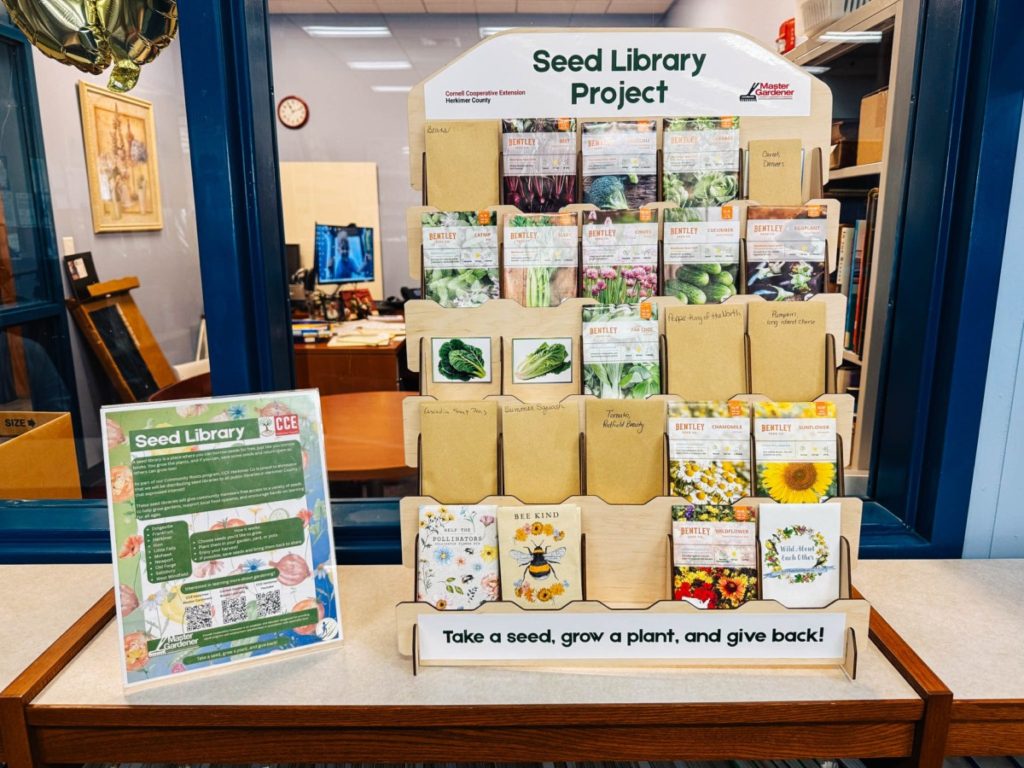
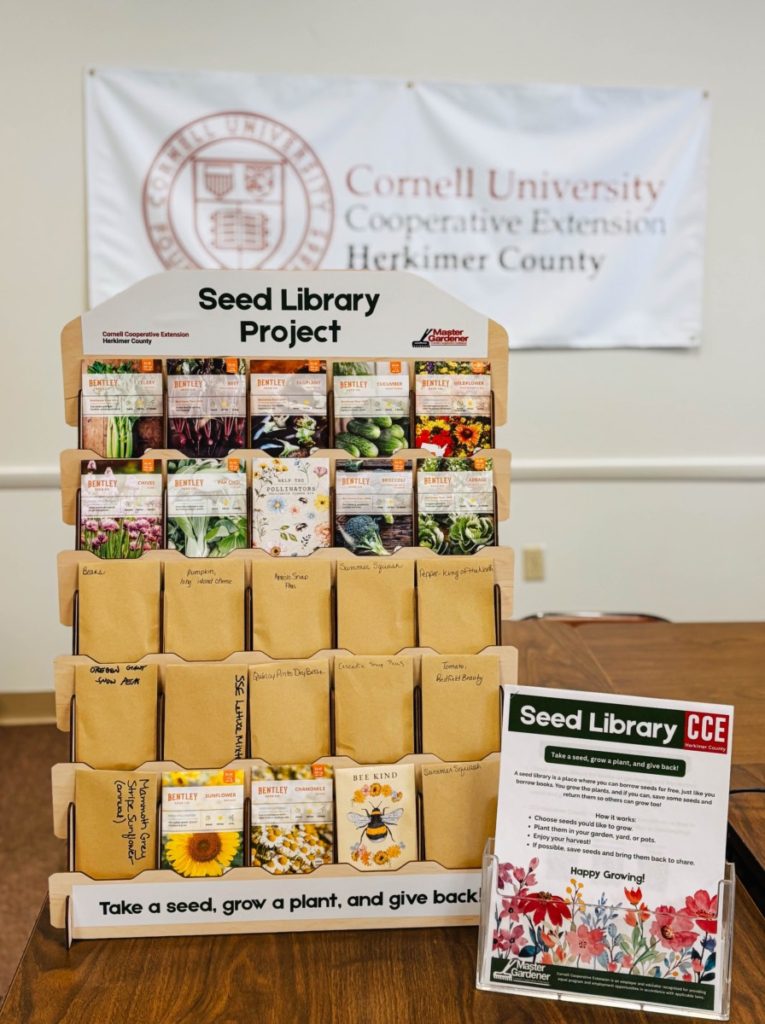
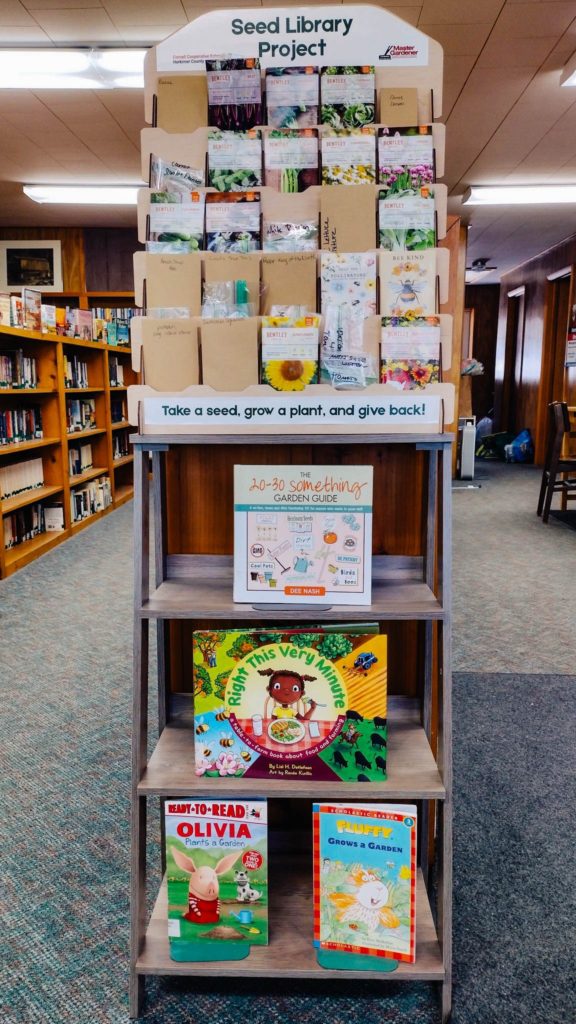
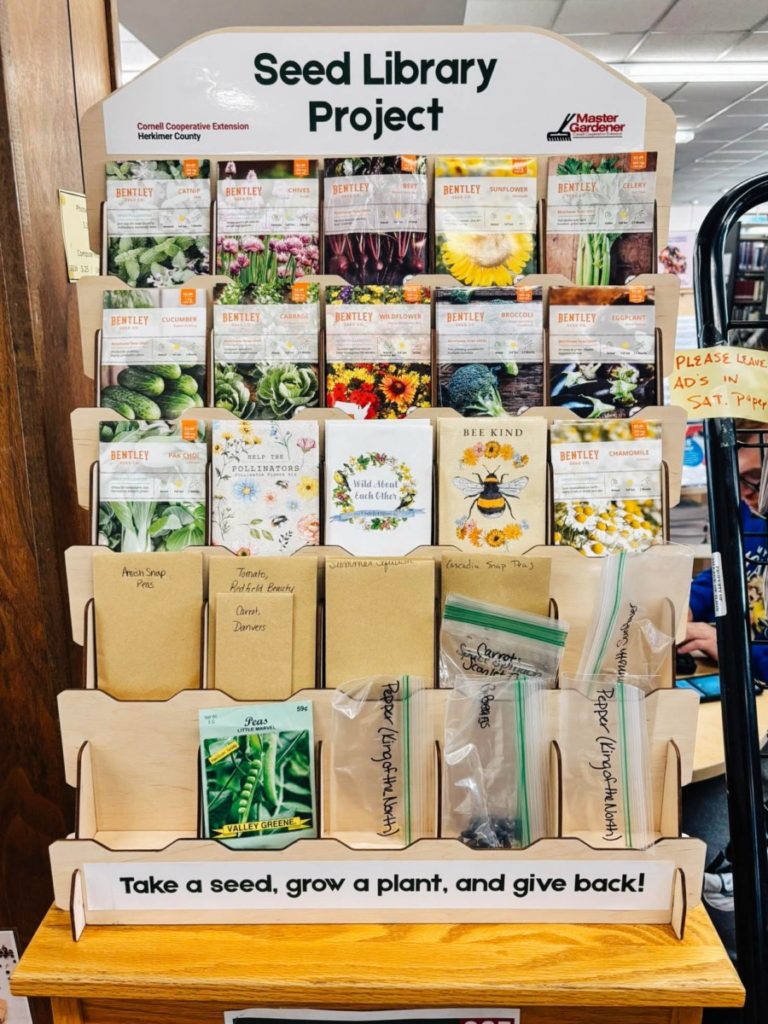
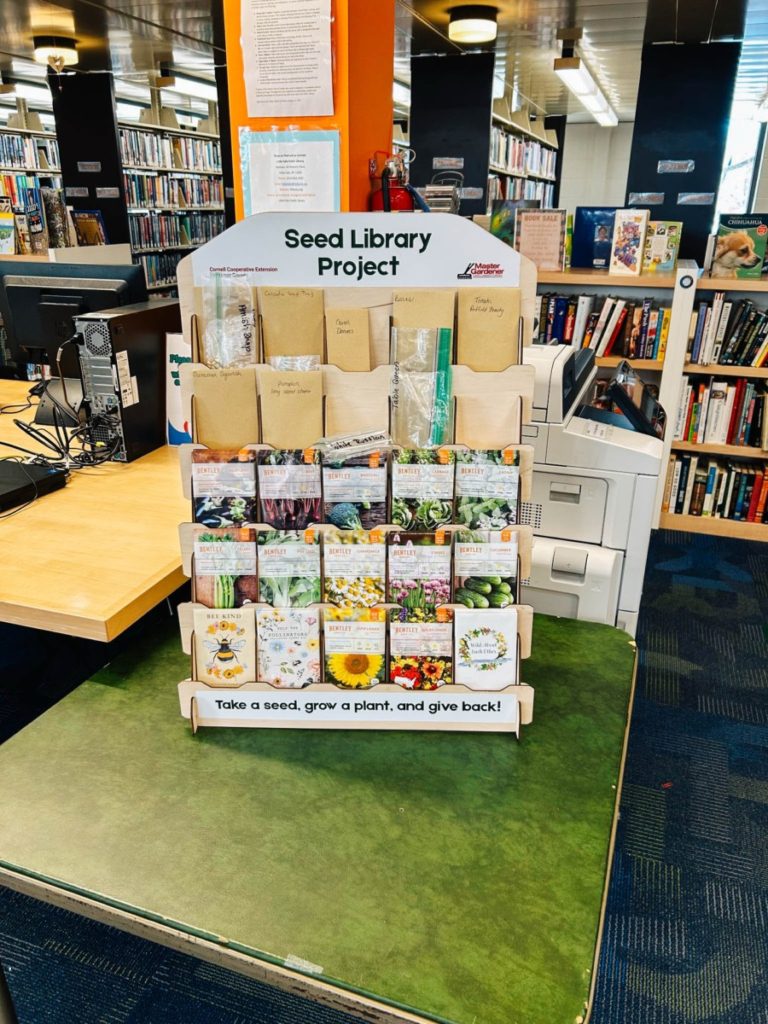
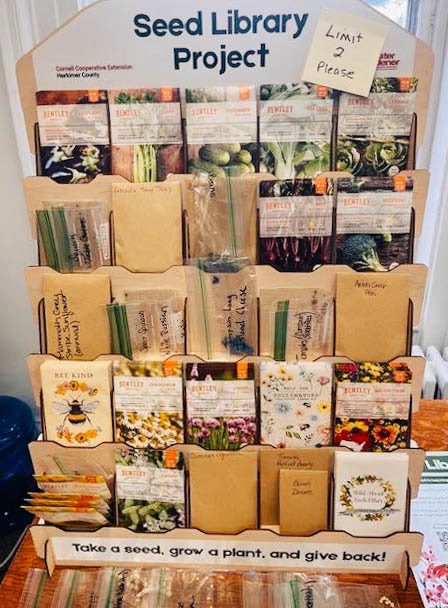
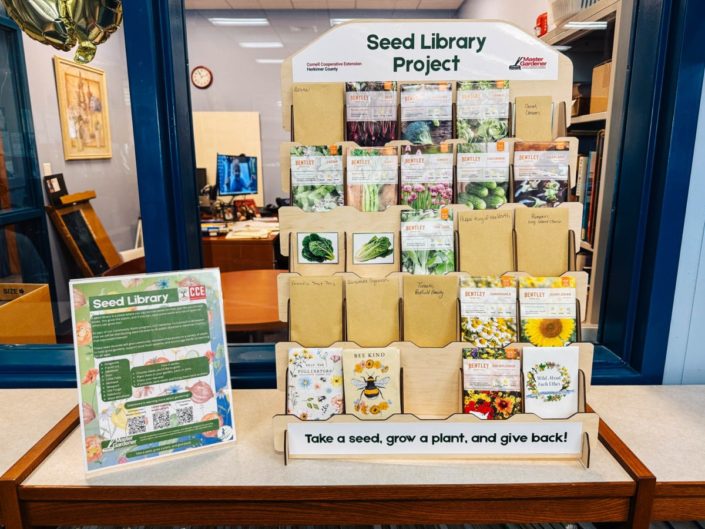
Among the shelves of stories in our local libraries, there is now space for even more knowledge to grow. To begin, a seed library is a place where you can borrow seeds for free, just like you borrow books. You grow the plants, and if you can, save some seeds and return them so others can grow too. It’s a way for communities to take root, together. To perpetuate a cycle of generosity and education.
Seed libraries bring life to our neighborhoods in a literal and symbolic sense.
They inspire people to grow their own food, save money, and reconnect with nature in an increasingly disconnected world. In a time of global uncertainty, food insecurity, and climate change, seed libraries offer hope, resilience, self-reliance, and food. More than that, they grow community.
When we save seeds from one season to the next, we’re preserving history. We’re honoring the plants that fed our ancestors and adapting them to our local climates. We’re celebrating biodiversity, fighting the erosion of food varieties, and keeping our gardens vibrant and strong.
Public libraries, long champions of free access to knowledge, are the perfect stewards for this mission. They already serve as safe havens. By housing seed libraries, they take their mission one step further by nurturing minds and nourishing bodies.
Starting a seed library is simple.
With a few donations, a drawer, and some community support, libraries can offer the tools to grow gardens, connection, culture, and care.
In December 2025, Cornell Cooperative Extension Herkimer County was awarded grant funding from the Community Foundation of Herkimer and Oneida Counties to help bring seed libraries to public libraries across Herkimer County. CCE Herkimer reached out to all thirteen public libraries and a total of eleven expressed interest in hosting a seed library. In March 2026, CCE Herkimer delivered seed libraries to the following public libraries: Dolgeville Public Library, Frankfort Public Library, Herkimer Public Library, Ilion Free Public Library, Little Falls Public Library, Mohawk Public Library, Newport Public Library, Old Forge Public Library, Salisbury Kirby Free Library, West Winfield Public Library, and Jordanville Public Library.
We started with one hundred packs of seeds for each library. This accessibility creates an environment where everyone, regardless of gardening experience, can participate. Additionally, a few libraries will be collaborating with local experts, such as the Cornell Cooperative Extension’s Master Gardeners, to provide workshops and guidance.
So far, the initiative has been a great success with most of the public libraries expressing gratitude and high community participation. As we head towards gardening season, visit your local library to check out a book, take a pack of seeds, or drop seeds off. Let’s keep growing.
Published on April 7, 2026.
MVT Updates
 Where Stories and Seeds Take RootApril 7, 2026 - 8:22 am
 Mohawk Valley Featured Weekend EventsApril 3, 2026 - 8:45 am
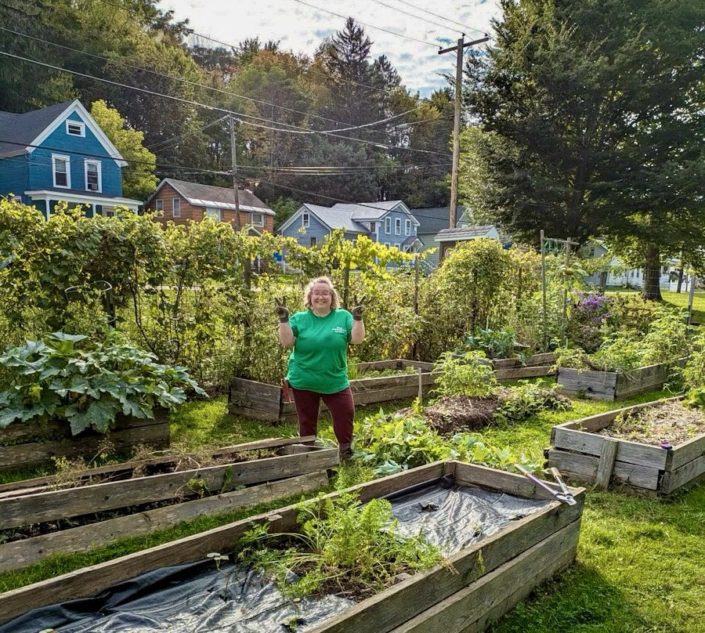
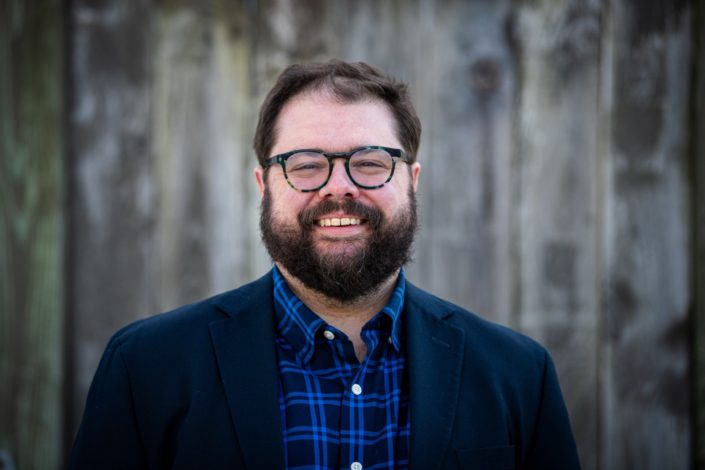
 Amanda Norton, Master Gardener Volunteer






 Amanda Norton, Master Gardener Volunteer