

Governor Hochul Urges New Yorkers to Prepare for Multiple Days of Extreme Heat
Some Places Could Experience ‘Feels-Like’ Temperatures Up To 110 Degrees
Governor Kathy Hochul urges New Yorkers to prepare for a period of extreme heat with “feels-like” temperatures expected to reach the 90s and low 100s across Western New York, and the high 80s to low 90s in eastern parts of the state and New York City. The heat is expected to increase Wednesday and Thursday with most of the state experiencing temperatures around or above 100 degrees, potentially up to 110 degrees in some areas. Extreme Heat Watches are currently in effect for the Capital Region, Long Island, Mid-Hudson, Mohawk Valley, New York City, and the Southern Tier.
“This week will bring dangerous heat all across the state, and my administration is taking action to ensure New Yorkers can safely enjoy our historic summer of activities,” Governor Hochul said. “New Yorkers should take the proper precautions to protect themselves and their families by staying hydrated, limiting time outdoors, and monitoring your local forecast. I also encourage everyone to check in on those most vulnerable and our elderly neighbors — one phone call or visit could save a life.”
Extreme heat is dangerous and is the leading cause of weather-related fatalities in the United States. The most common heat-related illnesses are heat stroke (sun stroke), heat exhaustion, heat cramps and heat rash. Learn more about heat-related illness, including signs and symptoms and when to take action on the State Health Department’s extreme heat advice webpage.
People with heart or lung conditions (like asthma), young children, older adults and anyone who exercises or works hard outside should try to limit outdoor activity when ozone levels are high (usually in the afternoon to early evening). If you have symptoms like shortness of breath, chest pain, or coughing, you should talk to your doctor.
Tips to stay safe in extreme heat:
- Stay hydrated
- Avoid direct sunlight
- Seek air conditioning or shade
- Avoid strenuous outdoor activity, especially during the hottest hours of the day.
- Check in on older family members and neighbors
- Seek immediate medical attention if experiencing any symptoms of heat-related illnesses
New Yorkers should closely monitor their local forecasts and look for updates issued by the National Weather Service. For a complete listing of weather alerts, visit the National Weather Service website. New Yorkers should also ensure that government emergency alerts are enabled on their mobile phones. They should also sign up for real-time weather and emergency alerts that will be texted to their phones by texting their county or borough name to 333111.
Safety Tips for Children
- Never leave a child in an unattended vehicle in the warm weather, not even with the windows slightly open or down, due to the risk of heatstroke (hyperthermia).
- If you see a child in a hot car, call 911 right away and follow their instructions. Emergency personnel are trained to respond.
- Teach children not to play in or around vehicles and to alert an adult when a friend is playing in a vehicle without supervision. Make sure children understand the dangers of trunk entrapment (suffocation, heatstroke, etc.).
- Place something you need, like keys, a purse or bag, or your cell phone, next to your child’s car seat so you will remember to check the backseat before you lock the car. Alternatively, place a stuffed toy in your child’s car seat when not in use and move the toy to the front passenger seat when your child is in his/her car seat as a reminder that your child is in the vehicle.
- Use drive-through services whenever possible while driving with a child in a vehicle.
- It is vital to recognize the symptoms of heatstroke in children. Symptoms include absence of sweat, confusion, disorientation, flushed skin, loss of alertness, unconsciousness or rapid/shallow breathing.
Pet Safety
New Yorkers should also plan accordingly for pet care to ensure pet safety during periods of extreme heat:
- Never leave a pet unattended in the car. Like children, dogs and other animals have a harder time staying cool, leaving them extremely vulnerable to heatstroke. A car can overheat even when the window has been left cracked an inch or two. Parking in the shade or leaving water in the vehicle won’t prevent your pet from overheating, either. If you see a pet in a hot car, call 911 immediately.
- According to the American Society for the Prevention of Cruelty to Animals (ASPCA), young, overweight or senior animals or those with short muzzles or thick or dark coats are most at risk for overheating.
- Provide ample water indoors and outdoors.
- Limit outdoor activity, and if outdoors, rest in shaded areas regularly.
- Be mindful of pavement temperatures — hot surfaces may cause burns on paws, so consider walking on grass or using pet boots.
- Never leave pets in vehicles unattended when heat is a risk.
- Know the signs of heatstroke in pets including excessive panting, drooling, lethargy, vomiting and stumbling.
Extended Hours at State Parks
The New York State Office of Parks, Recreation and Historic Preservation has extended hours at state swimming and cooling facilities and other state parks during the current heat wave to help New Yorkers beat the heat. Swimming availability may be affected by hazardous weather, changing water conditions or staffing. Please check State Parks’ website or call the park you wish to visit directly to confirm availability.
Mohawk Valley
- Delta Lake State Park: Wednesday, July 1 through Friday, July 3 from 11 a.m. to 7 p.m.
- Minekill State Park: Wednesday, July 1 through Friday, July 3 from 10 a.m. to 7 p.m.
Published on July 1, 2026.
Support Mohawk Valley Today!

MVT Updates
 There’s Still Time to Help Shape the Future of Agriculture in Herkimer County!September 1, 2026 - 8:20 am
- SIRSY and more at Unity Hall September 17, 2026SIRSY – Live at Unity HallAugust 31, 2026 - 8:12 am

 FIGURE 2.14 Horace Burch–Ford Trask Home. Photograph © Elizabeth Spraker.
 SIRSY and more at Unity Hall September 17, 2026
Featured Events



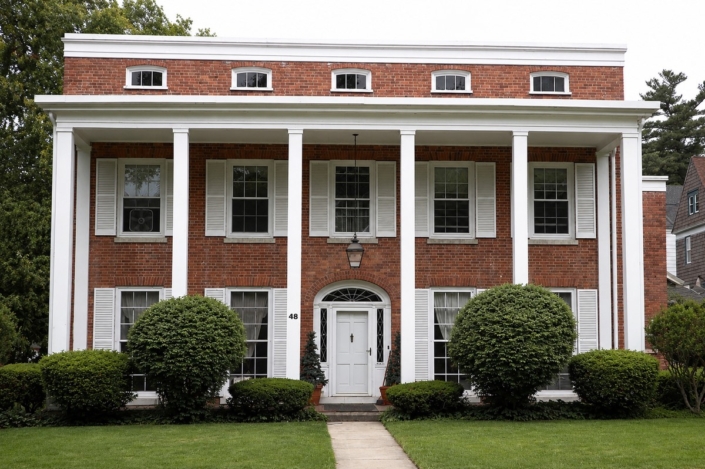
















 Image provided by The Telegraph School